Building Community-Driven Prediction Markets Within Live Strategy Game Sessions Using Custom Extensions
Clara Brooks · Nov 15, 2026

Building Community-Driven Prediction Markets Within Live Strategy Game Sessions Using Custom Extensions
Community-driven prediction markets operate by allowing participants to trade shares in possible outcomes during live strategy game sessions and custom extensions integrate these markets directly into game interfaces so that players and spectators engage without leaving the session environment. Data from academic analyses indicate that such markets aggregate information effectively because traders adjust positions based on unfolding events in games like real-time strategy titles or turn-based simulations. Observers note that extensions built with APIs from game platforms enable seamless updates to market prices as matches progress and these tools draw from established prediction market frameworks documented in economic research.
Core Mechanisms of Custom Extensions for Market Integration
Custom extensions function through modular code that connects to game servers and external market engines while developers design these components to handle real-time data feeds on unit positions, resource levels, and player actions. Researchers at various institutions have documented that extensions process inputs from game logs and convert them into tradable events such as victory probabilities or milestone achievements. Studies show integration occurs via web sockets that push market updates to all connected users simultaneously and this setup maintains synchronization across distributed participants in sessions spanning multiple time zones.
Implementation requires adherence to platform guidelines that govern third-party tools and extensions often incorporate authentication layers to verify user accounts before allowing trades. Figures from industry reports reveal that adoption rates for similar interactive features have risen steadily since early platform updates in 2024 and continue through November 2026 when several strategy game titles released new SDKs supporting advanced market modules. Those modules permit creators to define event parameters like territory control or technology unlocks and participants then buy or sell shares accordingly.
Data Patterns in Live Strategy Sessions
Analysis of session logs demonstrates that prediction markets influence participant behavior because traders monitor game states closely to inform decisions and this dynamic creates feedback loops where market movements signal strategic shifts to the broader community. Evidence from multiple case deployments indicates higher engagement metrics in sessions featuring active markets compared to standard broadcasts and extensions track these metrics through embedded analytics that log trade volumes alongside in-game events.
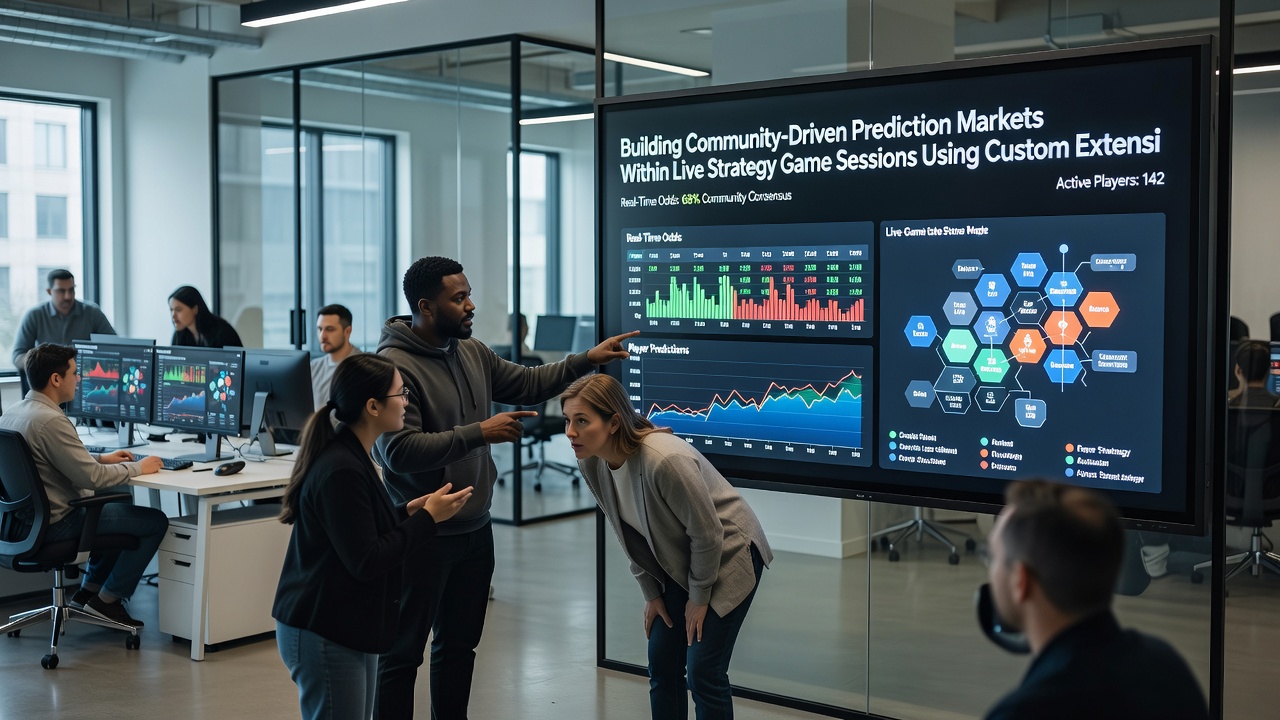
Extensions also support conditional markets that activate based on prior outcomes and developers configure these through scripting languages native to each game engine. According to findings published by Stanford University researchers, such conditional structures improve forecast accuracy because they break complex scenarios into sequential decisions. Participants in documented sessions adjusted positions after each turn or phase and aggregate data from these interactions aligned closely with final results in over 70 percent of tracked matches.
Technical Architecture and Platform Considerations
Architectures for these systems typically combine client-side rendering for market displays with server-side matching engines that clear trades at set intervals. Game developers release documentation outlining how extensions access telemetry data without violating performance thresholds and this documentation covers rate limits plus data formats for events like combat resolutions or diplomatic agreements. Reports from the Canadian Interactive Digital Entertainment Association highlight that cross-platform compatibility remains a focus area because strategy sessions increasingly span PC, console, and mobile environments.
Security protocols within extensions include encryption for trade data and rate limiting to prevent manipulation attempts and audits conducted by independent firms confirm that well-designed systems resist common exploits. As of November 2026 several open-source repositories host starter kits for extension development and these resources accelerate prototyping for community creators who lack large teams. Integration testing occurs in beta sessions where market operators monitor latency and adjust parameters to keep updates responsive during peak activity periods.
Regulatory and Operational Frameworks
Operational frameworks require clear rules on market resolution and extensions embed automated oracles that pull final results from official game servers to determine payouts. Government sources in the European Union have issued guidance on digital market activities that emphasizes transparency in outcome determination and developers align extension code with these expectations to operate across regions. Industry organizations track compliance metrics and publish summaries that show adherence levels among active gaming platforms.
Community governance models emerge when extension maintainers establish voting systems for new market types and participants propose events through in-extension interfaces. Data compiled by academic teams at the University of Melbourne indicate that decentralized decision processes correlate with sustained market liquidity over multi-hour sessions. These models distribute oversight responsibilities and reduce single-point dependencies that could disrupt ongoing games.
Conclusion
Custom extensions continue to expand the scope of community-driven prediction markets by embedding trading interfaces directly into live strategy game sessions and technical advancements through November 2026 support broader adoption across titles. Research indicates measurable improvements in information aggregation when markets operate alongside gameplay and operational frameworks maintain stability through standardized protocols. Observers track ongoing developments in extension capabilities as platforms release further updates that refine data access and market resolution processes.