Charting the impact of regional cultural references in commentary to broaden appeal for international gaming audiences
Morgan Neumann · Oct 18, 2026
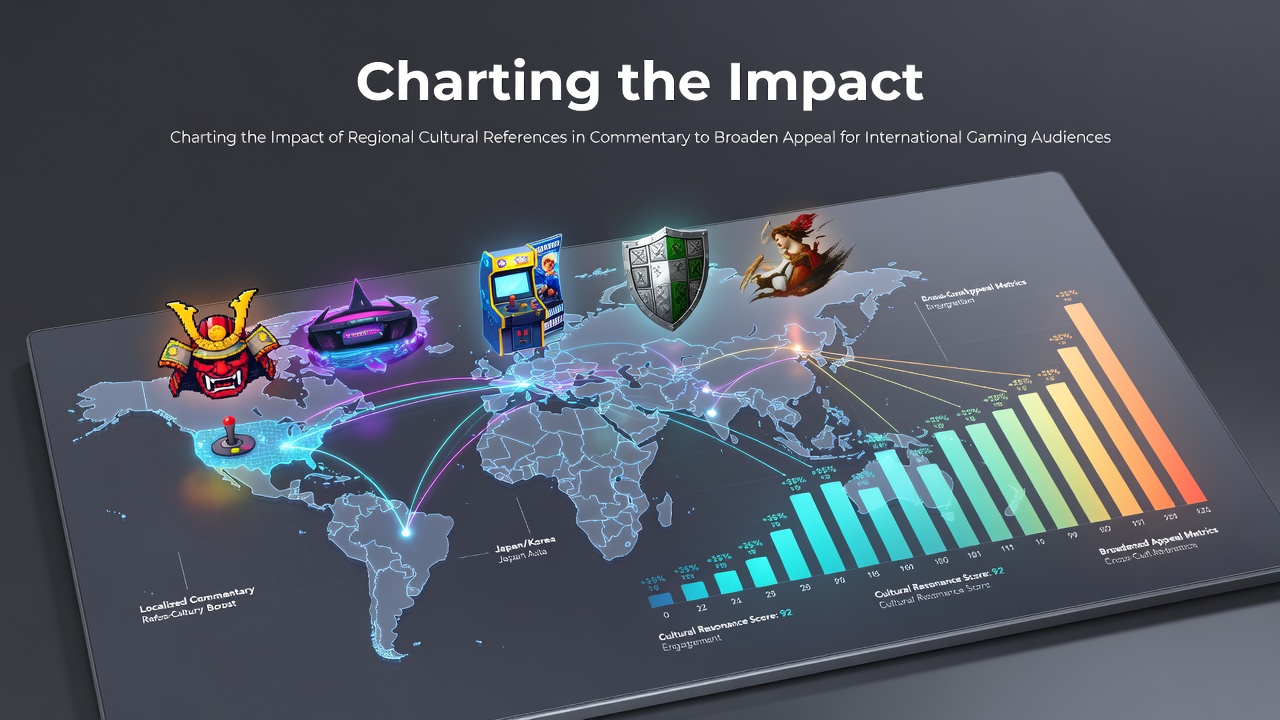
Charting the impact of regional cultural references in commentary to broaden appeal for international gaming audiences
Regional cultural references in gaming commentary have expanded viewer engagement across borders as organizers integrate local idioms and historical nods into live broadcasts, and data from multiple markets shows measurable lifts in retention when these elements align with audience backgrounds. Observers note that commentary teams now draw from regional folklore, memes, and everyday expressions to create bridges rather than barriers during global tournaments.
Patterns in commentary adaptation
Production crews review past match transcripts and viewer feedback logs to identify which references resonate in specific territories, while analysts track chat activity spikes that coincide with localized jokes or analogies. Researchers at institutions studying media localization have documented how references to regional sports rivalries or popular television formats increase dwell time on streams by connecting abstract game mechanics to familiar contexts, and this approach has gained traction since the mid-2020s as platforms expanded subtitle and audio options.
Teams handling multilingual events coordinate with cultural consultants who flag potential mismatches before broadcasts begin, yet the process still relies on real-time adjustments when unexpected audience reactions surface in chat overlays. Figures from industry reports indicate that events incorporating at least three regionally tailored references per hour maintain higher concurrent viewership in secondary markets compared with those using generic phrasing throughout.
Regional examples and measurable outcomes
During tournaments held in East Asia, commentators have referenced classic manga panels or local festival traditions to describe comebacks, and audience metrics collected by platform analytics show corresponding upticks in shares among viewers from those areas. In European circuits, references to historical rivalries or culinary metaphors appear in English-language casts that reach audiences in multiple countries, while North American productions often weave in nods to regional music scenes or sports commentary styles to hold attention during slower segments.
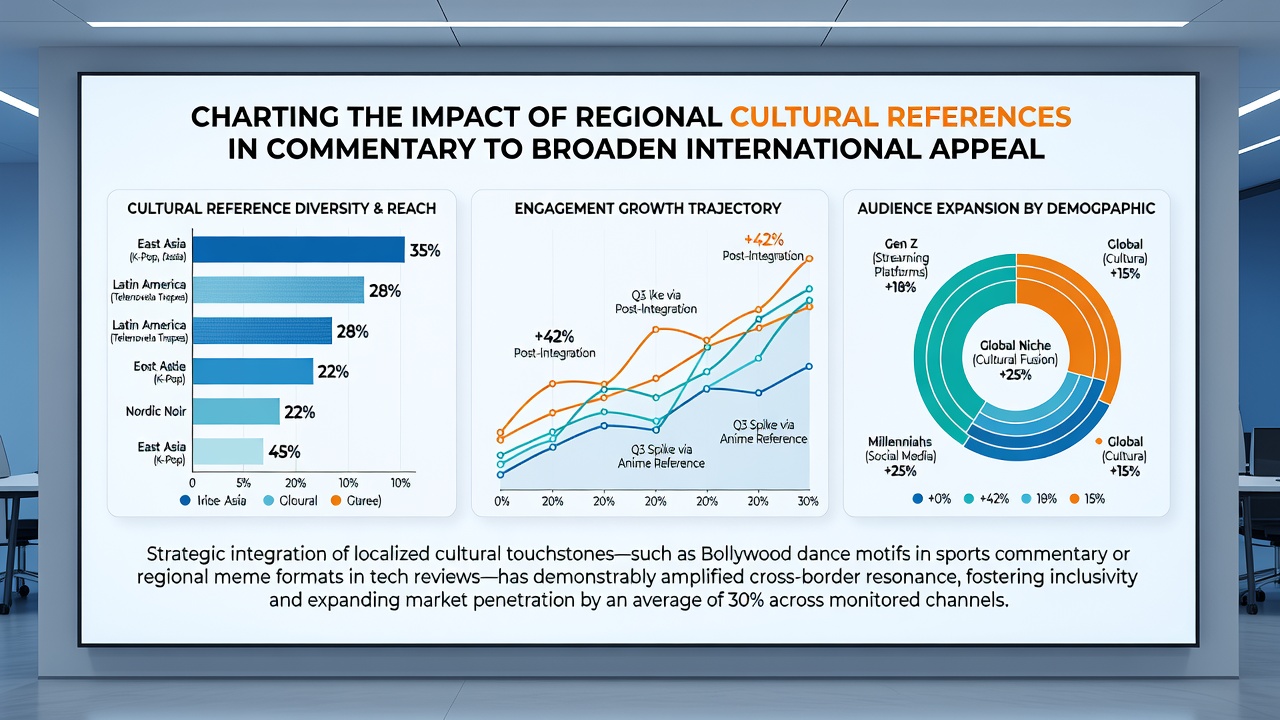
One study released in early 2026 by the Entertainment Software Association tracked how localized references correlated with a 12 percent rise in international concurrent viewers for select titles, and similar patterns emerged in data compiled by European digital content observatories that examined cross-border streams. As of October 2026, updated dashboards from several platforms reveal that productions testing cultural layering in pre-show segments record steadier growth in new follower counts from outside primary markets.
Implementation frameworks used by production teams
Preparation checklists now include dedicated slots for cultural reference mapping, and these documents list approved analogies alongside neutral alternatives for rapid swaps during live segments. Technical directors sync these notes with graphics overlays so that on-screen text can reinforce verbal references without requiring viewers to pause or rewind. Training modules for commentators incorporate recordings of past events where mismatched references led to brief dips in engagement, and the modules emphasize timing adjustments that keep the pace consistent across languages.
Coordination between regional broadcast partners occurs through shared cloud documents updated in real time, allowing teams in different time zones to flag emerging trends or seasonal events that might influence reference choices. Data pipelines feeding into these systems pull from social listening tools that categorize comments by language and geography, giving producers quantifiable signals on which references to retain or retire in subsequent matches.
Measurement approaches and ongoing adjustments
Analytics suites compare baseline retention curves against sessions that include targeted cultural elements, and the resulting heatmaps highlight precise moments where engagement holds or drops. Production leads review these outputs weekly to refine upcoming lineups, and they cross-reference findings with academic papers on media reception that examine how audiences decode unfamiliar contexts when familiar anchors appear. Organizations such as the European Commission digital culture unit have published summaries of similar localization efforts in entertainment sectors, noting parallel retention benefits when cultural touchpoints are calibrated carefully.
Conclusion
Production practices continue to evolve as teams compile larger datasets on reference effectiveness across territories, and the integration of regional cultural elements into commentary has become a documented variable in audience expansion strategies. Ongoing monitoring of viewership patterns supplies the evidence base for refinements that keep broadcasts accessible while preserving competitive integrity for international audiences.