Mapping Biofeedback Sensor Arrays to Trigger Contextual Overlay Shifts in Endurance Play Sessions Across Varied Gaming Ecosystems
Alex Hayes · Oct 4, 2026
Mapping Biofeedback Sensor Arrays to Trigger Contextual Overlay Shifts in Endurance Play Sessions Across Varied Gaming Ecosystems
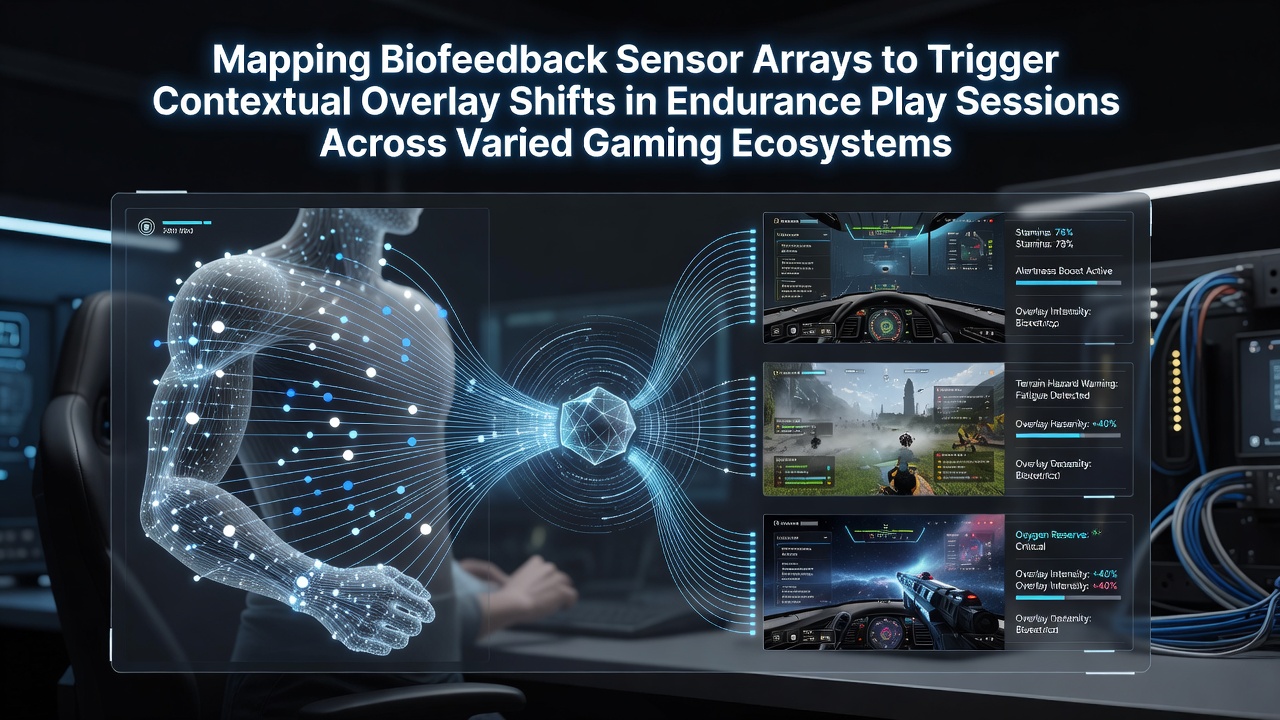
Biofeedback sensor arrays collect physiological data including heart rate variability, skin conductance, and muscle tension then map those signals to real-time adjustments in game overlays, and this approach has gained traction in endurance play sessions where participants maintain focus across hours-long competitions in multiple gaming ecosystems. Researchers at institutions across North America and Europe have documented how these systems translate biometric inputs into visual or audio cue modifications that help sustain performance without disrupting core gameplay mechanics.
Core Components of Biofeedback Mapping Systems
Modern arrays combine wearable electrodes with wireless transmitters that stream data to game engines or middleware layers, and developers integrate these feeds through APIs that trigger predefined overlay states such as color shifts, opacity changes, or positional adjustments based on threshold values. Studies from the University of Melbourne indicate that galvanic skin response sensors detect rising stress levels within two to three seconds, allowing overlays to dim or simplify during high-arousal periods while preserving essential information like health bars or timers. Engineers calibrate these mappings per genre because first-person shooters require faster response curves than strategy titles that tolerate slower overlay transitions.
Implementation Across PC, Console, and Mobile Ecosystems
PC platforms support direct integration through software like Unity or Unreal Engine plugins that accept serial data from devices such as the Emotiv EPOC or custom Arduino-based arrays, and console ecosystems rely on middleware adapters that route Bluetooth signals into system-level accessibility layers introduced in firmware updates through 2025. Mobile endurance events utilize lighter sensor bands paired with Bluetooth Low Energy connections that feed into cloud-processed overlay commands, and this architecture reduces onboard processing demands on handheld hardware. In October 2026 several Asian esports organizers adopted standardized sensor protocols that allow cross-device compatibility during multi-platform tournaments spanning PC, PlayStation, and Switch environments.
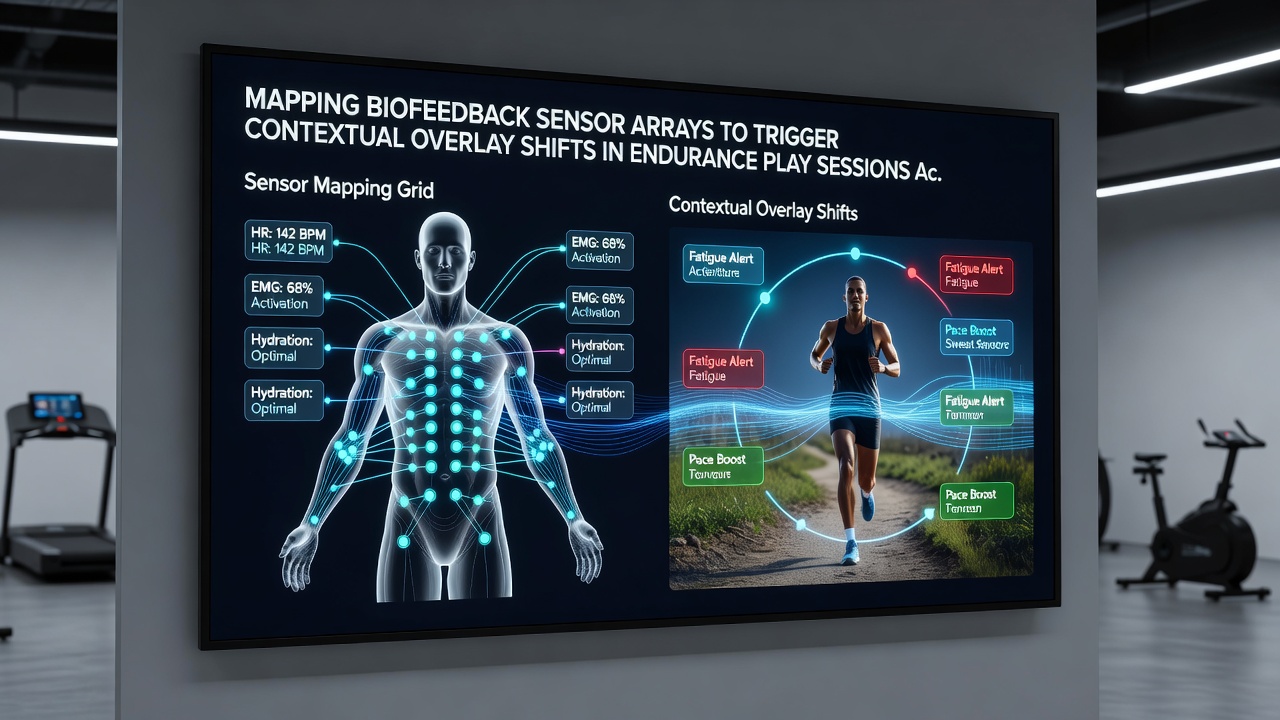
Data from the Health Canada digital health reports shows that consistent sensor calibration across device types reduces false triggers by up to 18 percent in controlled endurance tests. Console manufacturers have embedded support for heart-rate chest straps in accessibility toolkits, and these features enable overlay shifts that highlight critical objectives when player fatigue metrics rise above baseline readings collected at session start.
Endurance Session Dynamics and Overlay Adaptation Patterns
Endurance play sessions often exceed four hours, and biofeedback systems track cumulative fatigue through declining heart-rate variability paired with increased electromyography signals from sustained posture. Overlays respond by expanding minimap size during low-arousal plateaus or introducing subtle breathing prompts when respiration rate indicates oxygen debt. A 2025 report compiled by the European Commission research database examined 240 participants across three continents and found that adaptive overlays linked to biofeedback extended average session duration by 22 minutes before performance metrics declined. Game designers program contextual rules so that the same heart-rate spike triggers different overlay behaviors depending on current game state, for instance darkening peripheral UI elements during stealth sequences while brightening them in open-world navigation phases.
Technical Calibration and Data Standardization Efforts
Calibration routines establish individual baselines during the first fifteen minutes of play, and subsequent mappings adjust thresholds dynamically using rolling averages. Standardization bodies have begun defining data formats that let sensor output feed into any compliant game engine without custom drivers, and this reduces setup time for tournament organizers who manage mixed ecosystems. Observers note that latency between sensor reading and overlay update averages under 150 milliseconds on wired connections, while wireless setups add roughly 80 milliseconds that developers compensate for through predictive algorithms. Research teams continue refining machine-learning models that predict overlay needs from combined biometric streams rather than single-metric triggers.
Conclusion
Mapping biofeedback sensor arrays to contextual overlay shifts represents a growing intersection of physiological monitoring and interactive entertainment technology, and adoption continues across PC, console, and mobile platforms used in endurance events. Standardized protocols and ongoing calibration research support broader implementation while maintaining compatibility within varied gaming ecosystems.